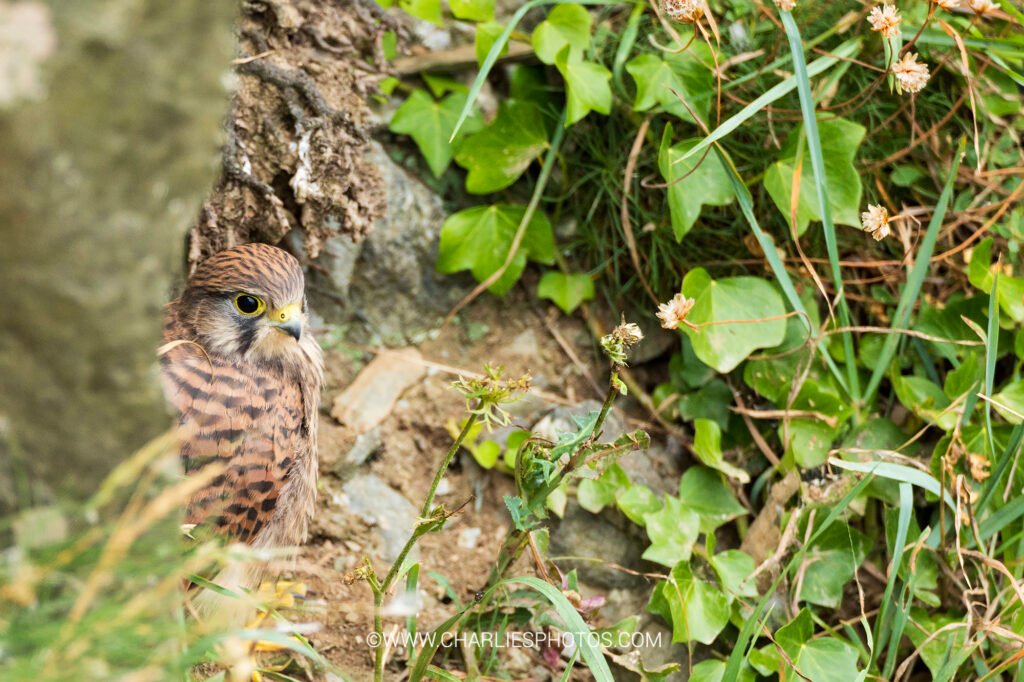
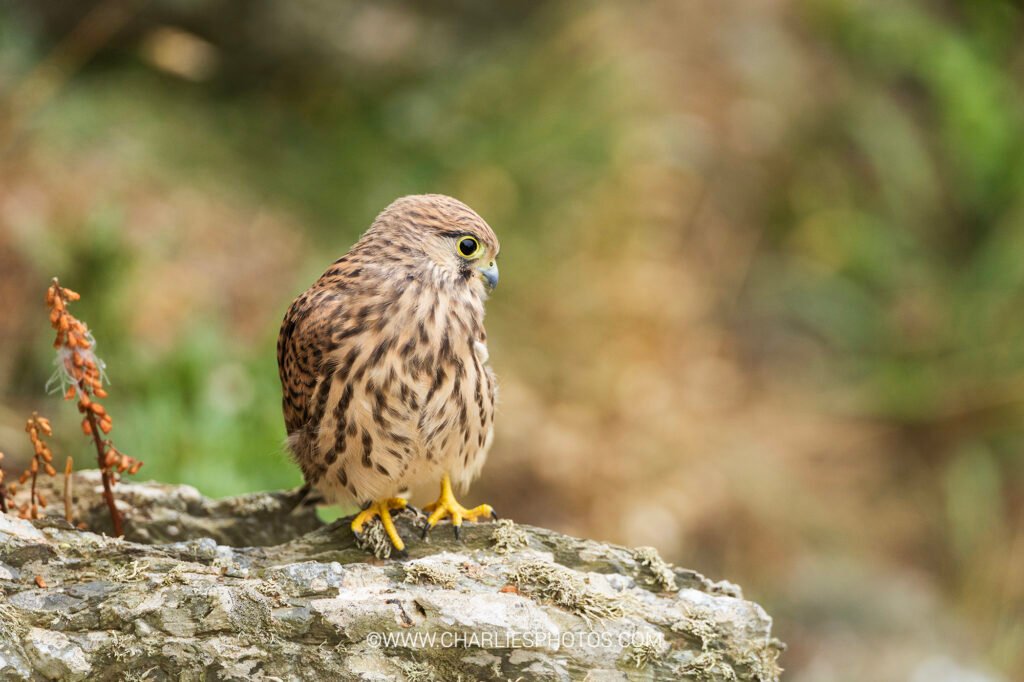
Along the windswept edges of Cornwall’s cliffs and farmlands, young kestrels begin their lives in a world shaped by salt air, rolling fields, and restless skies. Born in shallow scrapes on ledges or tucked into abandoned nests, kestrel chicks arrive blind and fragile, covered in soft white down that barely shields them from the coastal chill. At first, they are entirely dependent—small, insistent voices calling out whenever the shadow of a parent crosses the nest.
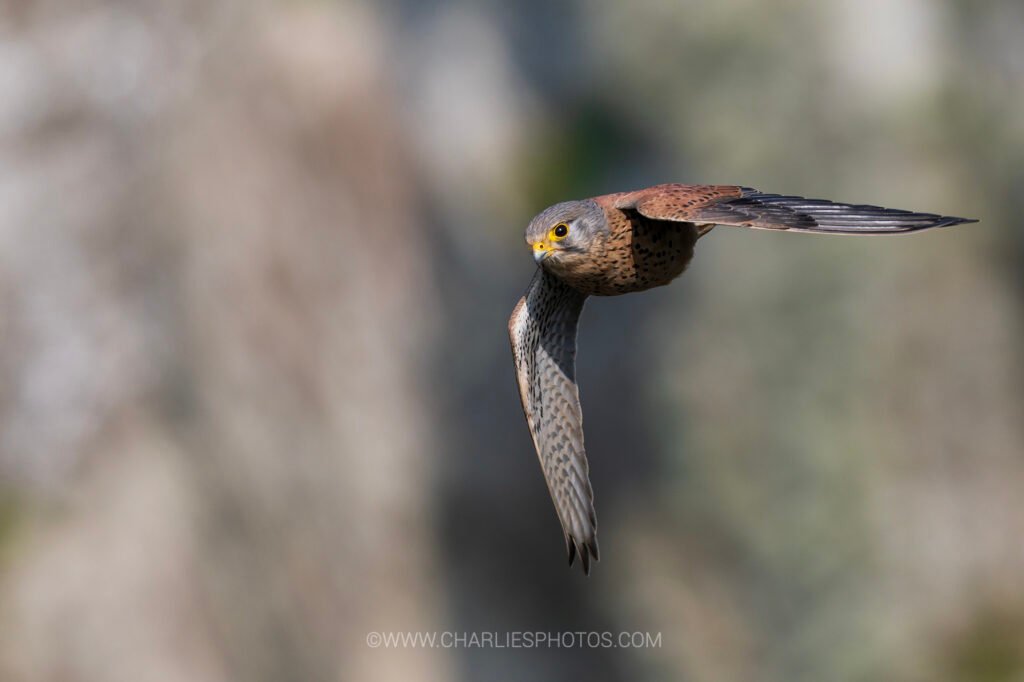
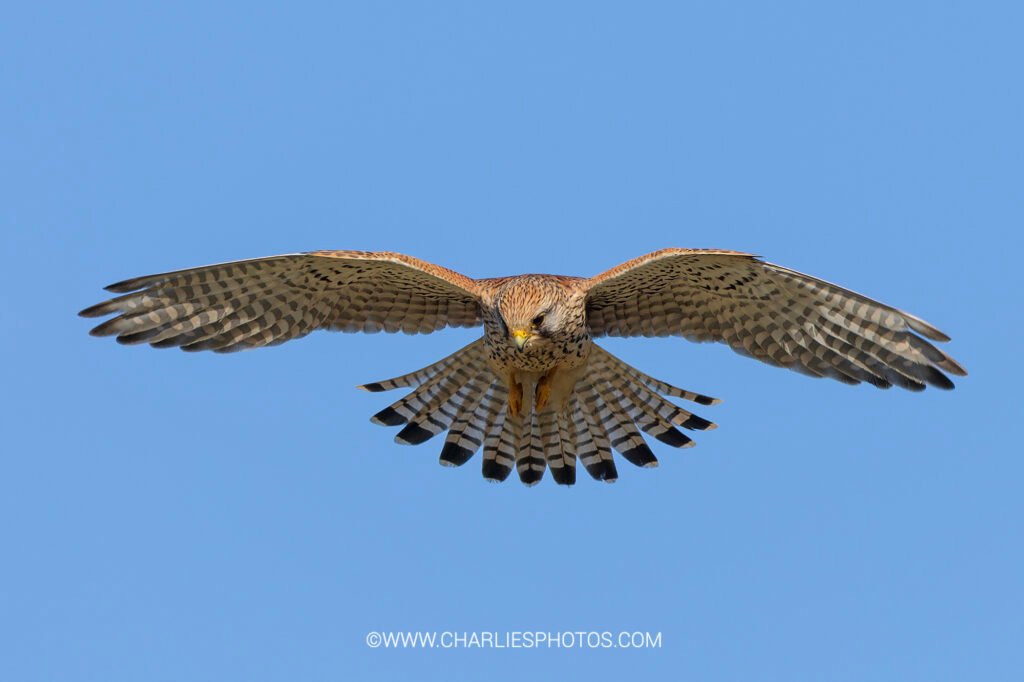
Their parents are tireless hunters. You might spot them hovering motionless above hedgerows and open fields, wings beating rapidly as they scan the ground below. This hovering—so characteristic of kestrels—is more than graceful; it’s survival. The adults return with voles, small birds, and insects, tearing food into manageable pieces for their growing brood. In Cornwall, where farmland meets wild moor, prey is plentiful, and the chicks grow quickly.
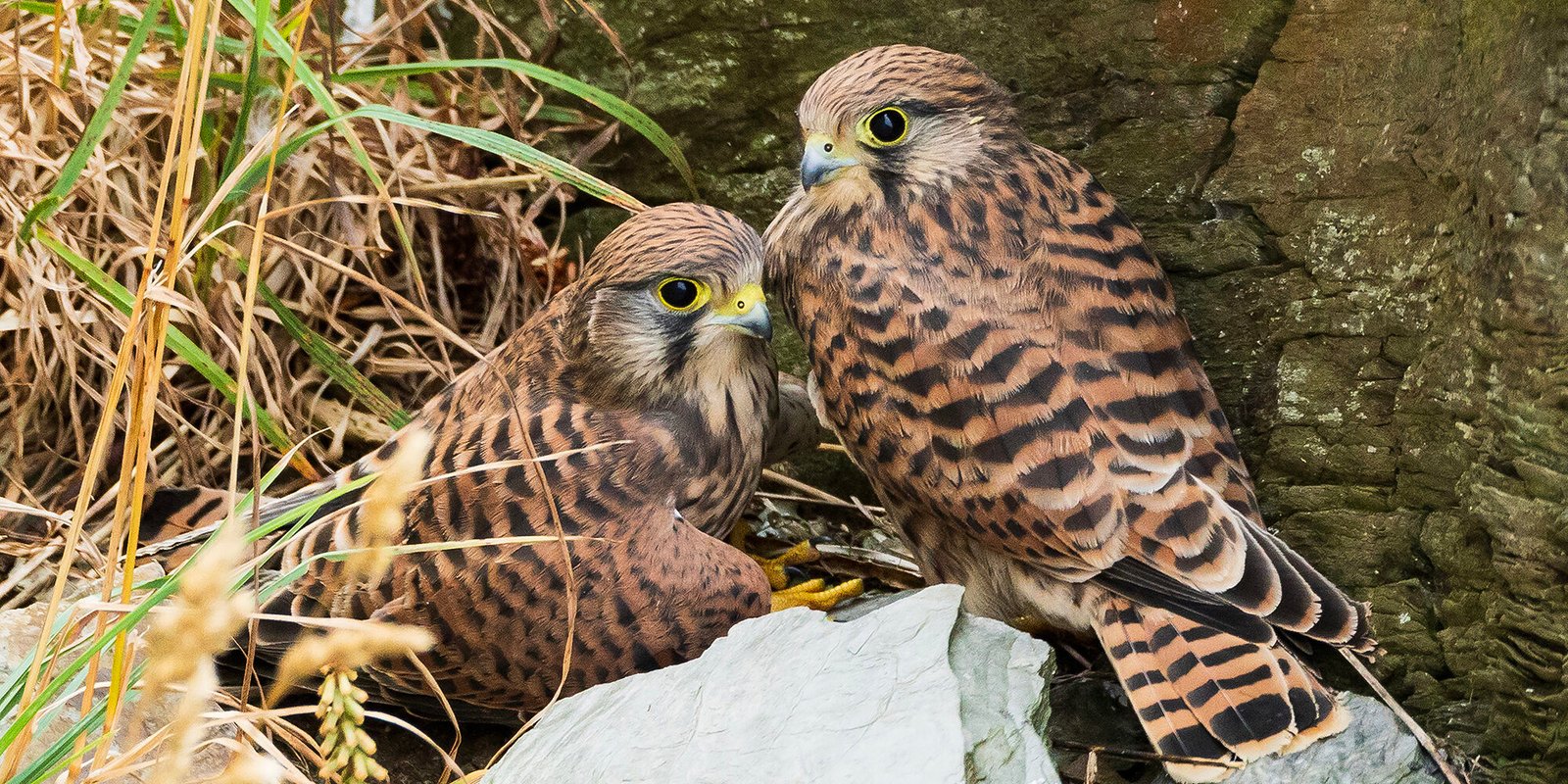
Within a couple of weeks, the transformation is striking. The down gives way to mottled brown feathers, speckled and barred in patterns that echo the earth tones of their surroundings. Their eyes sharpen from cloudy blue to a keen, predatory gaze. They begin to shuffle, stretch their wings, and test their balance at the edge of the nest—early rehearsals for a life in the open air.
By the time they are ready to fledge, the Cornish landscape becomes their training ground. Short, uncertain flights carry them from rock to rock or along the edges of fields. They still rely on their parents, who continue to feed them and demonstrate hunting techniques, but independence comes quickly. Hovering attempts are clumsy at first—more wobble than control—but instinct guides them.
There’s a particular wildness to young kestrels in Cornwall. The coastal winds that buffet them also strengthen them, and the vast, open scenery gives them room to learn the art of flight and hunting. Many won’t survive their first year—such is the reality for birds of prey—but those that do will become part of the enduring rhythm of the region: small falcons suspended in midair, watching, waiting, and thriving above the patchwork of fields and cliffs.
In their brief youth, kestrels embody both vulnerability and fierce potential—a reminder that even in a landscape shaped by centuries of human activity, the lives of wild creatures still unfold with quiet intensity overhead.